Preparing Your Home for Sale

Preparing your home properly before it goes on the market can meaningfully impact buyer interest, showing activity, perceived value, and ultimately the success of your sale. But preparing a home for sale doesn’t necessarily mean undertaking expensive renovations or turning your property into a show home.

The objective is simpler: present your Vancouver home in a way that helps buyers recognize its value and imagine themselves living there.

Every property is different. A newer Vancouver condo may need little more than decluttering, cleaning and thoughtful staging, while an older detached home might benefit from repairs, fresh paint or selective improvements before listing.
The key is determining which improvements are likely to help your sale and which ones may simply cost you money without producing a meaningful return. Good reference is Jacky's Home Sellers Guide: How to Prepare House for Sale.

Before listing a home in Vancouver, I generally look at preparation in three areas: Staging. Repairs. Decluttering. Each plays a different role in creating
 a strong first impression.

Home Staging Before Selling Your Vancouver Home


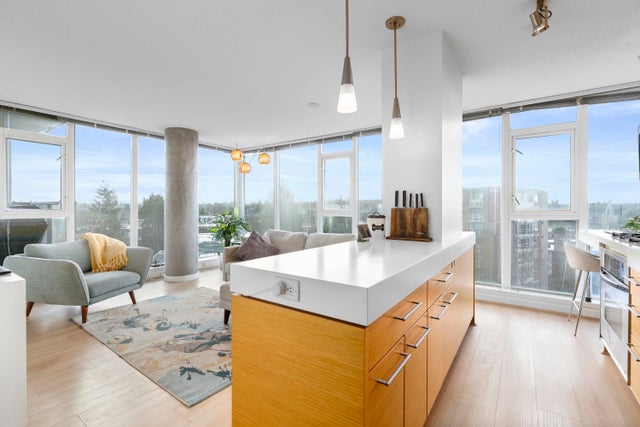
Staging is about more than decorating. Effective home staging for a Vancouver property helps buyers understand the size, function and potential of each space while allowing the home’s strongest features to stand out.

Good staging can involve rearranging existing furniture, removing unnecessary pieces, introducing new furniture and accessories, improving lighting, changing artwork or completely furnishing a vacant property. The appropriate level of staging depends on the home.

Is Home Staging Worth It When Selling?


Home staging can be worth it when it materially improves how buyers perceive and experience your property.
Real estate is both a financial and emotional purchase. Buyers compare square footage, location, strata fees and recent sales, but they also react to how a home makes them feel.

"An empty or poorly furnished room can make it difficult to understand scale. "


Thoughtful staging helps solve the following challenges: 

  • Define how rooms are intended to function
  • Make spaces appear more inviting
  • Improve the flow between rooms
  • Highlight architectural features
  • Reduce visual distractions
  • Improve professional real estate photography
  • Create stronger first impressions online and during showings

That doesn’t mean every Vancouver seller should pay for full professional staging. Sometimes a consultation, rearranging existing furniture and adding a few carefully selected pieces is all that’s required.

As a full-service agent, along with the association with a powerful Sotheby's brand, I offer a pre-listing, premium design and staging consultation. 

The question isn’t: Does staging work?  The better question is: Will staging this particular home improve its marketability enough to justify the cost? 

Should I Stage My Vancouver Home Before Selling?


In many situations, yes—but the level of staging should be appropriate for the property, target buyer and price range. Before recommending staging, consider what buyers will compare your home against.

If you’re selling a Vancouver condo and competing listings are professionally staged and beautifully photographed, presenting an unstaged property may put you at an immediate disadvantage.
For a vacant property, staging can be particularly valuable because furniture gives buyers a sense of scale. It can demonstrate that a bedroom comfortably accommodates a queen-size bed or show how an awkward-looking area can become a functional home office.

An occupied home may require considerably less. Sometimes the best preparation is simply editing what is already there: removing excess furniture, repositioning pieces, replacing bedding, adding lamps or artwork and simplifying the overall presentation.

Staging should support the home’s value—not overwhelm it.


How Much Does Home Staging Cost in Vancouver?


There isn’t one standard Vancouver home staging cost because pricing depends on the size of the property, number of rooms, amount of furniture required, delivery and installation, rental period and whether the home is vacant or occupied.

A consultation or partial staging using much of the seller’s existing furniture will generally cost considerably less than furnishing an empty house or luxury property from scratch. In general, from previous experience, these are the price ranges: 

  • One bedroom - $3500-$4500 Approx. 
  • Two Bedrooms (870-1000 s.f) - $5000+ Approx.
  • House: $7500+ Approx. 
(For an accurate price of your property, I offer a free, no-obligation consultation to determine the staging price).

Instead of deciding whether staging is “too expensive” based solely on the quote, consider the cost in relation to the value of the property and the potential impact on the sale.

For example, spending money to professionally present a high-value property can make sense if the improvement helps attract additional qualified buyers or prevents the home from being overlooked online.
However, spending heavily on staging that doesn’t materially improve presentation may not be worthwhile.



Repairs Before Selling Your Vancouver Home


One of the most common questions homeowners ask before selling.
What should I fix before I list? The answer isn’t everything.

The objective is to identify repairs that improve presentation, remove obvious buyer objections or prevent small issues from becoming disproportionately important during a showing or inspection. 
In this section, I will try to give practical insights for home sellers for repairs and home improvements before listing their home. 

What Repairs Should I Make Before Selling?


Start with the things buyers are likely to notice.
Small maintenance problems can unintentionally send a bigger message. 
A dripping faucet isn’t necessarily expensive to repair, but several minor neglected items can cause a buyer to wonder what else hasn’t been maintained.

Before listing, consider the followings:

  • Leaking faucets
  • Loose handles
  • Damaged cabinet hardware
  • Burned-out light bulbs
  • Doors that don’t close properly
  • Visible wall damage
  • Cracked caulking
  • Damaged trim or baseboards
  • Broken switches or outlets
  • Obvious plumbing issues
  • Damaged flooring
  • Peeling or badly marked paint
  • Exterior maintenance issues

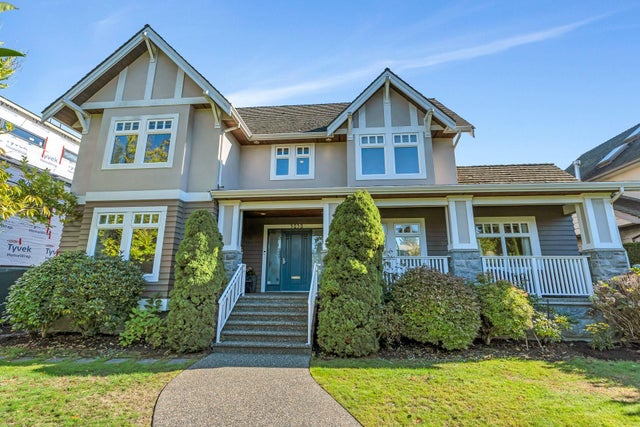
For detached homes, also examine the exterior. Gutters, landscaping, fencing, stairs, decks, exterior lighting and the entrance all contribute to a buyer’s first impression.
Small repairs often have an outsized impact because buyers interpret condition as evidence of how a property has been maintained.
Material defects and known issues may also involve disclosure or professional-advice considerations. Repairs shouldn’t be used to conceal a known problem.

Should I Renovate My Vancouver Home Before Selling?


Not necessarily. This is one of the biggest mistakes sellers can make when preparing a home for sale.
Renovating and selling are two different objectives. If you’re renovating for yourself and expect to enjoy the improvements for years, personal preferences matter. If you’re renovating immediately before selling, the question becomes:

Will buyers pay enough additional money for this improvement to justify its cost, time and risk?


A $50,000 renovation does not automatically add $50,000 to the selling price.
You also need to consider: Cost + time + carrying costs + inconvenience + market risk.
A renovation that delays your listing by four months could expose you to completely different market conditions.
In some situations, a dated but well-maintained home may be better brought to market honestly and priced accordingly.

Which Renovations Add the Most Value Before Selling?


There is no renovation that guarantees a particular return, but visible, broadly appealing improvements often deserve consideration before highly personalized renovations.

  • Fresh Paint: Painting is often one of the simplest ways to refresh a property. Neutral, consistent colours can make rooms feel brighter and allow buyers to focus on the property rather than unusual wall colours.
  • Flooring: Badly damaged or heavily worn flooring can affect the impression of an otherwise attractive home. Whether replacement makes financial sense depends on the property’s price point and overall condition.
  • Lighting: Replacing dated fixtures and ensuring rooms are properly illuminated can dramatically change how a property looks in photographs and during showings.
  • Kitchen Improvements: A complete kitchen renovation immediately before selling isn’t always necessary. Sometimes replacing hardware, repairing cabinets, updating lighting, painting and simplifying countertops can significantly improve presentation without the expense of rebuilding the kitchen.
  • Bathroom Improvements: Fresh caulking, clean grout, updated hardware, mirrors or lighting can help an older bathroom present considerably better without requiring a complete renovation.

The goal is generally not to create your dream home for the next owner. It’s to identify improvements that help buyers see the property’s existing value.

Should I Sell My Vancouver Home As-Is?


Sometimes selling a home as-is can be the right strategy. A property requiring extensive renovation may appeal to buyers who specifically want an opportunity to renovate, rebuild or add value themselves.

Selling as-is may make sense when:

  • Renovations would be expensive
  • The seller needs to move quickly
  • The property is primarily valued for land
  • The home requires substantial modernization
  • The likely buyer intends to renovate anyway
  • Renovation would create excessive financial risk
  • The seller doesn’t want to manage construction

The disadvantage is that buyers may discount their offers to account for the work, uncertainty and risk they are assuming. That’s why an as-is strategy still requires preparation. As-is does not have to mean poorly presented.
A dated home can still be exceptionally clean, decluttered, well photographed and professionally marketed.

Decluttering Before Selling Your Vancouver Home


Decluttering is one of the simplest and potentially most cost-effective things you can do when preparing your Vancouver home for sale. You’re going to move eventually anyway.

Starting the process before listing can improve presentation while making your eventual move easier. 


Contact Jacky for a Decluttering Before a Sale guide - Vancouver Sellers Guide

Should I Declutter Before Selling My Home?


Yes. In most cases, decluttering should be one of the first steps in preparing a home for sale. Buyers are evaluating the property, not your belongings.
Too much furniture can make rooms feel smaller. Overfilled closets can suggest inadequate storage. Busy countertops make kitchens appear smaller, while excessive decorations can distract from architectural features.

Decluttering creates visual space. The objective isn’t to make your home feel empty.
It should still feel comfortable and lived in—but buyers should notice the home before they notice the belongings inside it.

What Should I Remove Before Listing My Home?


Start with things you don’t use regularly. A practical approach is to move room by room.

  • Kitchen: Remove unnecessary countertop appliances, excess dishes, refrigerator magnets, cleaning supplies and anything that makes counters feel crowded.
  • Living Areas: Remove excess furniture, oversized collections, unnecessary décor and anything that interrupts the natural flow through the room.
  • Bedrooms: Simplify bedside tables, remove unnecessary furniture and make closets appear organized rather than packed.
  • Bathrooms: Clear countertops and showers of most personal products. Fresh towels and minimal accessories usually present better.
  • Closets and Storage: Buyers look inside closets.

Overfilled storage can make even a large closet appear inadequate. Packing seasonal clothing and rarely used items before listing can help demonstrate available storage.

You don’t need to remove every photograph or sign of personality.However, excessive family photographs, highly personal collections, valuables and sensitive documents should generally be removed. The goal is to make it easier for buyers to imagine:

“This could be my home.”

Should I Rent Furniture Before Selling My Vancouver Home?


Furniture rental can make sense when your existing furniture doesn’t present the property effectively or when the home is vacant.
An empty room isn’t always easier for buyers to understand.
Without furniture, buyers may struggle to judge scale. Online photographs of empty rooms can also feel less engaging than professionally presented spaces.

Rental furniture can be particularly helpful for:

  • Vacant properties
  • Luxury listings
  • Newly renovated homes
  • Condos with unusual floor plans
  • Properties with oversized existing furniture
  • Homes where the seller has already moved
  • Key rooms that need stronger visual presentation

However, you don’t necessarily need to furnish the entire property. A partial staging strategy may concentrate resources on the living room, dining area, primary bedroom and other high-impact spaces. Again, the decision should be based on return rather than appearance alone.


Get In Touch

Jacky Levi

Mobile: 604.780.5677

EMAIL

Office Info

Sotheby's International Realty Canada

210 - 858 Beatty Street   Vancouver ,  B.C  V6B 1C1 

Stay Connected

Additional Guides for Home Sellers

How Long Does It Take to Sell a Condo in Vancouver

Posted on Aug 20, 2026 in Home Sellers Tips


In 2026, Greater Vancouver condos typically spend roughly 39 to 54 days on the market, depending on the month, with a realistic full listing-to-closing journey of about 8 to 14 weeks once you add offer negotiation, subject removal, and strata paperwork. That's the practical answer to how long it takes to sell a condo in Vancouver.

You're probably as...

Read More

Form B Information Certificate: What Vancouver Condo Buyers Neen to Know (2026)

Posted on Aug 20, 2026 in Knowledge Base Vancouver Real Estate


If you are buying a condo, townhouse, or other strata property in Vancouver or elsewhere in British Columbia, one of the most important documents you may encounter during your due diligence is the Form B Information Certificate.

A Form B provides a snapshot of important financial, legal, insurance, and administrative information about both the strat...

Read More

7 Burnaby Realty Listings Sources to Watch in 2026

Posted on Aug 19, 2026 in Home Buyers Tips


You've found a Burnaby home that looks promising, but the listing alone doesn't answer the questions that matter. Is it still active? How does it compare with similar homes nearby? Has the price changed? Does the building, neighbourhood, or property type fit your plans? Before requesting a showing, you need a search source that matches the decision...

Read More

7 Detached Home for Sale Search Options in Vancouver

Posted on Aug 18, 2026 in Home Buyers Tips


You're searching for a detached home for sale somewhere across Greater Vancouver, but every portal seems to show a different mix of listings, statuses change quickly, and neighbourhood differences can make two similarly priced homes feel worlds apart. Pricing adds another layer of uncertainty, especially when a small percentage move represents a su...

Read More

7 Ways to Find a 3 Bedroom Condo in Vancouver

Posted on Aug 17, 2026


A family relocating to Vancouver may know it needs three bedrooms, but that's only the starting point. The right 3 bedroom condo must also fit a realistic price range, daily commute, preferred neighbourhood, storage needs, building standards, amenities, financing plan, and eventual resale goals. An investor faces a different decision, while a remot...

Read More

Real Estate Agent West Vancouver: A Practical Guide

Posted on Aug 16, 2026


It's often assumed that hiring a real estate agent in West Vancouver is a simple matter of choosing someone licensed, local, and pleasant to work with. That's weak advice. West Vancouver rewards agents who can price precisely, read segment-by-segment demand, and manage longer absorption cycles without letting a listing go stale.

The difference matte...

Read More

Please Provide More Info About Your Home

Jacky Levi

Sotheby's International Realty Canada

210 - 858 Beatty Street   Vancouver ,  B.C  V6B 1C1 

Mobile: 604.780.5677

jacky@jackylevi.com