
Right now, you're probably trying to decide what will move the needle on your Vancouver listing, not just add more noise. In a market where buyers scan quickly, compare aggressively, and expect polished presentation from the first click, real estate marketing strategies have to do more than “get the word out.” They need to build trust, create urgency, and make the property feel worth acting on. For Vancouver sellers, that usually means combining Sotheby's global reach with hyper-local execution, so the listing speaks to both the neighbourhood buyer and the out-of-market prospect who's still doing their research online.
That's the approach I'd use on a home in Kitsilano, a Yaletown condo, or a West Vancouver detached property. The right mix depends on the property type, the buyer pool, and how competitive the local segment is that week. A well-run campaign can't rely on one channel alone, because buyers are looking at media, price, neighbourhood context, and responsiveness all at once. The strongest results come from a clear plan, consistent follow-through, and a listing package that feels credible the moment it goes live.
Bad visuals cost sellers serious attention before a conversation even starts. In Vancouver, where buyers often begin online and make quick judgments, polished photography and video are not cosmetic extras, they're core sales tools. Listings with video tours receive 403% more inquiries than listings without video, and professional photos can help homes sell 32% faster than listings without them, according to real estate marketing statistics for 2026.
A luxury West Vancouver listing needs a different visual story than a Burnaby townhouse, but both need strong light, clean composition, and a sense of space. That's why I'd line up a shoot after staging, then build out the rest of the campaign from those assets. The listing page, social clips, email feature, and ads all become stronger when the first set of images is excellent.
For sellers who want a media-first presentation, my staging and listing presentation workflow is built to support that launch. You can see the approach in Urban Presentations, which pairs visual planning with the kind of detailing buyers notice immediately.
A few habits matter here:
Shoot during golden hour: Natural light softens interiors and helps exteriors look warmer.
Stage before the camera arrives: Give the property 24 to 48 hours after staging so it photographs cleanly.
Use video for story, not just footage: Views, renovations, transit access, and layout flow deserve motion.
Cut short clips for social and email: Fifteen to 30 seconds is enough for a quick first impression.
Refresh photos if the listing lingers: Seasonal updates help relaunch a property without making it feel stale.
Pricing is where many Vancouver listings either build early momentum or sit. In Greater Vancouver, sellers need a clear read on days on market, inventory shifts, sale-to-list ratios, and nearby competition before they settle on a number. A strong CMA is the foundation for every other decision. Neighborhood-level MLS analytics reveal which segments are moving and which are softening, so positioning can be adjusted with real market evidence.
A West Vancouver waterfront condo can miss the mark for a different reason than a Burnaby townhome or a Kitsilano condo, but the outcome is often the same. If the list price sits outside the buyer's current frame of reference, even polished marketing will not fully make up for it.
The best pricing work starts with true comparables, then tightens for condition, view, renovations, lot or floor plan, and transit access. If a new comparable comes to market at a lower number, the response should be quick and measured, not emotional. Pricing is part of the campaign, and it needs regular review as the listing is live. For a closer look at how pricing translates into actual market results, see my guide on asking price versus selling price in Vancouver.

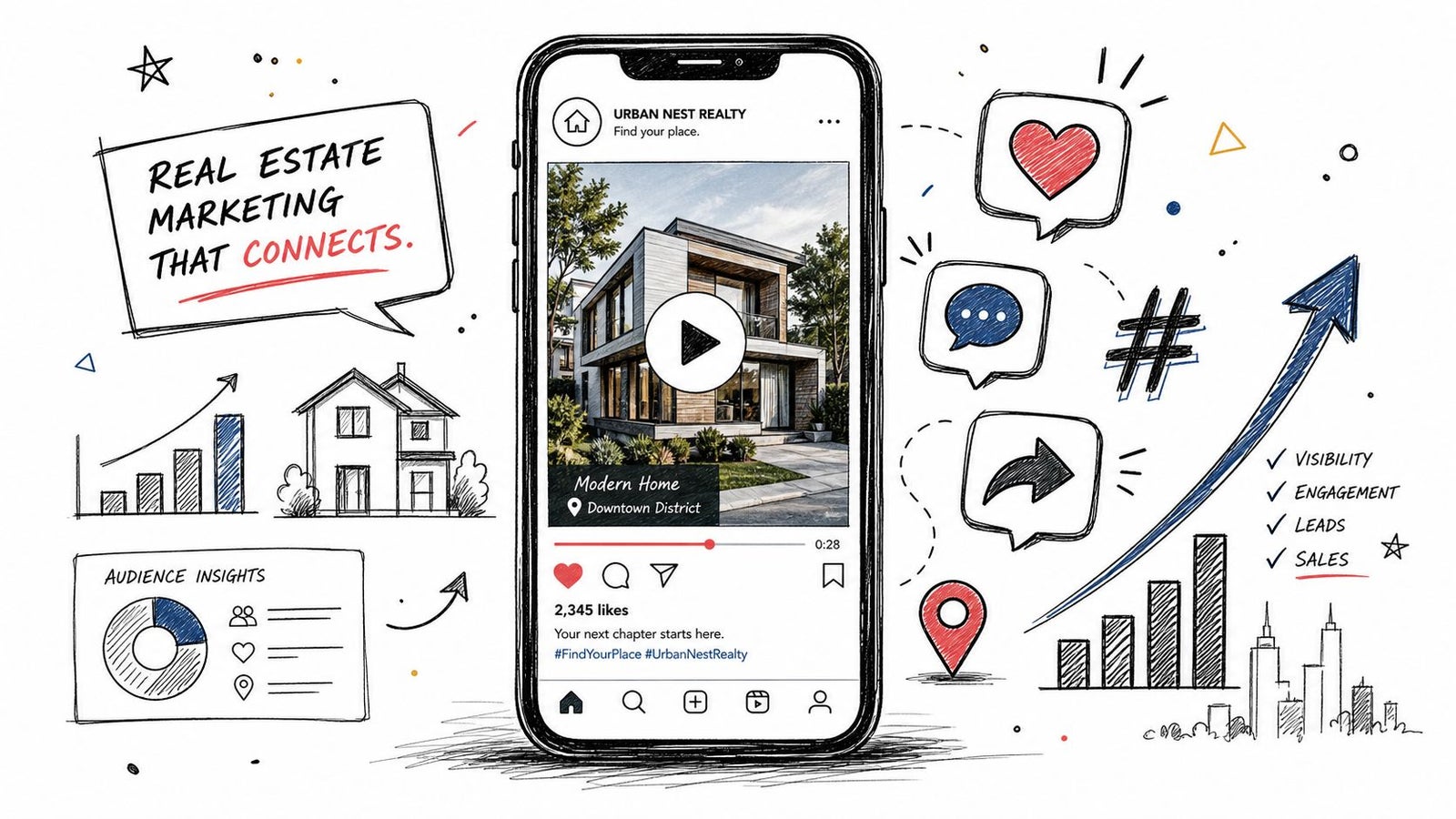
That's the approach I'd use on a home in Kitsilano, a Yaletown condo, or a West Vancouver detached property. The right mix depends on the property type, the buyer pool, and how competitive the local segment is that week. A well-run campaign can't rely on one channel alone, because buyers are looking at media, price, neighbourhood context, and responsiveness all at once. The strongest results come from a clear plan, consistent follow-through, and a listing package that feels credible the moment it goes live.
1. Professional Photography and Videography
Bad visuals cost sellers serious attention before a conversation even starts. In Vancouver, where buyers often begin online and make quick judgments, polished photography and video are not cosmetic extras, they're core sales tools. Listings with video tours receive 403% more inquiries than listings without video, and professional photos can help homes sell 32% faster than listings without them, according to real estate marketing statistics for 2026.
A luxury West Vancouver listing needs a different visual story than a Burnaby townhouse, but both need strong light, clean composition, and a sense of space. That's why I'd line up a shoot after staging, then build out the rest of the campaign from those assets. The listing page, social clips, email feature, and ads all become stronger when the first set of images is excellent.
"Practical rule: If the photos don't make a buyer pause, the rest of the marketing has to work twice as hard."
For sellers who want a media-first presentation, my staging and listing presentation workflow is built to support that launch. You can see the approach in Urban Presentations, which pairs visual planning with the kind of detailing buyers notice immediately.
A few habits matter here:
Shoot during golden hour: Natural light softens interiors and helps exteriors look warmer.
Stage before the camera arrives: Give the property 24 to 48 hours after staging so it photographs cleanly.
Use video for story, not just footage: Views, renovations, transit access, and layout flow deserve motion.
Cut short clips for social and email: Fifteen to 30 seconds is enough for a quick first impression.
Refresh photos if the listing lingers: Seasonal updates help relaunch a property without making it feel stale.
2. Comparative Market Analysis and Data-Driven Pricing
Pricing is where many Vancouver listings either build early momentum or sit. In Greater Vancouver, sellers need a clear read on days on market, inventory shifts, sale-to-list ratios, and nearby competition before they settle on a number. A strong CMA is the foundation for every other decision. Neighborhood-level MLS analytics reveal which segments are moving and which are softening, so positioning can be adjusted with real market evidence.
A West Vancouver waterfront condo can miss the mark for a different reason than a Burnaby townhome or a Kitsilano condo, but the outcome is often the same. If the list price sits outside the buyer's current frame of reference, even polished marketing will not fully make up for it.
The best pricing work starts with true comparables, then tightens for condition, view, renovations, lot or floor plan, and transit access. If a new comparable comes to market at a lower number, the response should be quick and measured, not emotional. Pricing is part of the campaign, and it needs regular review as the listing is live. For a closer look at how pricing translates into actual market results, see my guide on asking price versus selling price in Vancouver.
For sellers who want a pricing plan grounded in Vancouver comparables, my guide on asking price versus selling price in Vancouver is a useful starting point.
A tighter pricing process usually includes:
Weekly CMA updates: Keep the analysis current during active listing periods.
Daily competitor checks: Watch new listings, reductions, and relists.
Condition adjustments: Do not overprice a home that needs work compared with renovated peers.
Timing awareness: Spring often gives sellers a stronger window, based on local trend analysis.
Staging changes how buyers read a home. In Vancouver's design-conscious market, that matters because people don't just buy square footage; they buy a feeling of fit. A staged room helps the buyer understand scale, function, and lifestyle faster than an empty or cluttered one ever will.
I've seen the difference most clearly in townhomes and family homes, where flow and livability carry real weight. A North Vancouver townhome staged with neutral furniture and family-oriented décor can present as move-in ready, while a similar unstaged home may feel smaller, darker, or less useful. That's especially important when the target buyer is comparing several properties in one afternoon.
The smartest staging budgets focus on the spaces that set the emotional tone first. Entryways, kitchens, primary bedrooms, and main bathrooms often do more work than secondary rooms. If those spaces feel calm and well cared for, the rest of the home has room to breathe.
For listings where presentation needs to be coordinated carefully, the staging phase should happen before the photo shoot and remain consistent through launch. It's also worth tailoring the styling to the likely buyer, because a young family, downsizer, and investor each notice different details.
A practical staging plan usually includes:
Removing excess furniture: Opening space matters more than keeping every piece.
Painting dated walls in neutral tones: Soft neutrals work across a wide range of tastes.
Prioritizing high-traffic rooms: Spend where buyers spend their attention.
Matching the staging to the buyer profile: Family-friendly layouts and downsizer-friendly simplicity don't look the same.
Keeping the staging fresh: Refresh pillows, décor, and surface styling if the listing extends.
A well-staged home doesn't just look better online; it often makes showings easier to convert into serious interest.
A Vancouver listing needs distribution across every platform where buyers search. MLS, major portals, social feeds, branded sites, and email all play a role, because different buyers enter the market in different ways. A condo shopper in Mount Pleasant, a relocating professional from Toronto, and an overseas luxury buyer may all start their search in a different place, then land on the same property if the campaign is set up well.
Strong digital campaigns also depend on how the listing is written. Neighborhood keywords, transit references, view corridors, and floor plan details help buyers find the property for the searches they are already making. The copy should shift slightly by channel too. A Sotheby's global audience, a local Instagram viewer, and someone reading a Google result need the same facts, but not the same emphasis.
For Westside and luxury homes, the Sotheby's network adds international reach and a stronger brand frame, which can help qualify attention before the showing stage. That matters in Vancouver, where polished presentation and buyer fit often matter as much as raw traffic. My approach to wider digital exposure is supported through Small Fish Media, where social and search channels work together to keep the listing visible.
A practical distribution mix should include:
MLS and major portals: Start where buyers already spend time.
Geographic ad targeting: Reach people searching specific Vancouver neighbourhoods.
Multiple creative variations: Test different images, headlines, and hooks to see what earns attention.
Scheduled posting windows: Weekday evenings and weekend mornings often draw stronger engagement.
Direct response language: Every asset should invite a showing, a call, or a brochure request.
Digital exposure works best when response is handled quickly. If a buyer clicks, asks a question, and waits too long for a reply, interest cools fast. In a competitive Vancouver market, that delay can cost a showing, a second look, or an early offer.
Showings are where interest turns into action, but only if the process is handled well. In Vancouver, many buyers are busy, comparing multiple homes, and trying to fit property tours into tight schedules. If the showing plan is sloppy, you lose momentum even when the listing itself is strong.
The timing matters. I like to give a new listing enough time to build awareness before the first open house, then treat each visit as part of a larger conversion process. Families often respond to weekend windows, while working professionals may be more likely to attend weekday evening showings after work.
The environment matters too. A clean entry, fresh flowers, light refreshments, and a calm flow through the home help buyers stay focused on the property instead of distractions. Good showing coordination also protects the seller's privacy, keeps traffic organized, and creates room for feedback collection.
For sellers, the ROI comes from information. If multiple visitors raise the same concern about price, layout, or condition, that feedback should shape the next move. If showing traffic is weak midweek, the campaign may need more digital support or a sharper price conversation.
Helpful practices include:
Opening with strong MLS exposure: Give the listing time to circulate.
Choosing the right hours: Use family-friendly or commuter-friendly windows.
Staffing properly: Enough agents should be present to answer questions and capture leads.
Following up fast: Contact visitors within 24 hours while the property is still fresh.
Tracking feedback patterns: Repeated objections usually point to a marketing or pricing issue.
Email is still one of the cleanest ways to reach warm leads who already know you or have shown interest before. It works especially well in Vancouver, where referrals, repeat clients, and neighborhood familiarity carry real weight. Instead of sending only new-listing blasts, strong email marketing keeps your name attached to market insight, timing, and usefulness.
That matters because most sellers and buyers aren't ready to act the moment they hear from you. They need repeated, relevant contact over time. A good monthly market update can do more for trust than a string of generic promotional messages.
The biggest mistake I see is poor segmentation. A first-time buyer, an investor, a downsizer, and a relocating professional all need different information. If they all get the same email, the message feels broad and forgettable.
For relationship-based campaigns, the content should feel local and current. Mention the neighbourhood, the property type, the market shift, or the opportunity, then give the reader a clear next step. My own client and referral communication process is built to keep those touchpoints organized and useful.
A strong email system usually includes:
Monthly market updates: Keep your database engaged between transactions.
Audience segmentation: Separate buyers, sellers, investors, and downsizers.
Personal details: Add your own neighbourhood perspective, not just generic market language.
Clear calls to action: Invite a valuation, listing review, or neighbourhood report.
Consistent timing: Send when people are most likely to open and act.
A buyer in Vancouver may scroll past a condo in Yaletown or a West Side listing on Instagram, save it on Facebook, then check the agent's LinkedIn profile before sending an enquiry. Social media builds familiarity as much as visibility. That means your content has to do two jobs at once: present the property well and give people a clear reason to trust the person behind it.
The strongest social strategy balances listing posts with education and personality. People want to see homes, but they also want to understand how you think and how you work. A feed that only pushes listings can feel thin. A feed with useful neighbourhood insight, market commentary, and real client work feels more credible, especially in a market as relationship-driven as Vancouver.
I like social content that shows what a property feels like in the first 15 to 30 seconds. That kind of clip helps buyers decide whether they want to learn more, and it gives the listing a better chance of being shared. For sellers, the payoff is simple. Better presentation can increase qualified clicks, while weak visuals usually get ignored before the details are even read.
A tighter pricing process usually includes:
Weekly CMA updates: Keep the analysis current during active listing periods.
Daily competitor checks: Watch new listings, reductions, and relists.
Condition adjustments: Do not overprice a home that needs work compared with renovated peers.
Timing awareness: Spring often gives sellers a stronger window, based on local trend analysis.
3. Strategic Staging and Property Presentation
Staging changes how buyers read a home. In Vancouver's design-conscious market, that matters because people don't just buy square footage; they buy a feeling of fit. A staged room helps the buyer understand scale, function, and lifestyle faster than an empty or cluttered one ever will.
I've seen the difference most clearly in townhomes and family homes, where flow and livability carry real weight. A North Vancouver townhome staged with neutral furniture and family-oriented décor can present as move-in ready, while a similar unstaged home may feel smaller, darker, or less useful. That's especially important when the target buyer is comparing several properties in one afternoon.
The smartest staging budgets focus on the spaces that set the emotional tone first. Entryways, kitchens, primary bedrooms, and main bathrooms often do more work than secondary rooms. If those spaces feel calm and well cared for, the rest of the home has room to breathe.
"A buyer should be able to understand the lifestyle in the first minute, not after a tour guide's explanation."
For listings where presentation needs to be coordinated carefully, the staging phase should happen before the photo shoot and remain consistent through launch. It's also worth tailoring the styling to the likely buyer, because a young family, downsizer, and investor each notice different details.
A practical staging plan usually includes:
Removing excess furniture: Opening space matters more than keeping every piece.
Painting dated walls in neutral tones: Soft neutrals work across a wide range of tastes.
Prioritizing high-traffic rooms: Spend where buyers spend their attention.
Matching the staging to the buyer profile: Family-friendly layouts and downsizer-friendly simplicity don't look the same.
Keeping the staging fresh: Refresh pillows, décor, and surface styling if the listing extends.
A well-staged home doesn't just look better online; it often makes showings easier to convert into serious interest.
4. Digital Syndication and Multi-Channel Online Marketing
A Vancouver listing needs distribution across every platform where buyers search. MLS, major portals, social feeds, branded sites, and email all play a role, because different buyers enter the market in different ways. A condo shopper in Mount Pleasant, a relocating professional from Toronto, and an overseas luxury buyer may all start their search in a different place, then land on the same property if the campaign is set up well.
Strong digital campaigns also depend on how the listing is written. Neighborhood keywords, transit references, view corridors, and floor plan details help buyers find the property for the searches they are already making. The copy should shift slightly by channel too. A Sotheby's global audience, a local Instagram viewer, and someone reading a Google result need the same facts, but not the same emphasis.
For Westside and luxury homes, the Sotheby's network adds international reach and a stronger brand frame, which can help qualify attention before the showing stage. That matters in Vancouver, where polished presentation and buyer fit often matter as much as raw traffic. My approach to wider digital exposure is supported through Small Fish Media, where social and search channels work together to keep the listing visible.
A practical distribution mix should include:
MLS and major portals: Start where buyers already spend time.
Geographic ad targeting: Reach people searching specific Vancouver neighbourhoods.
Multiple creative variations: Test different images, headlines, and hooks to see what earns attention.
Scheduled posting windows: Weekday evenings and weekend mornings often draw stronger engagement.
Direct response language: Every asset should invite a showing, a call, or a brochure request.
Digital exposure works best when response is handled quickly. If a buyer clicks, asks a question, and waits too long for a reply, interest cools fast. In a competitive Vancouver market, that delay can cost a showing, a second look, or an early offer.
5. Open Houses and Strategic Showing Coordination
Showings are where interest turns into action, but only if the process is handled well. In Vancouver, many buyers are busy, comparing multiple homes, and trying to fit property tours into tight schedules. If the showing plan is sloppy, you lose momentum even when the listing itself is strong.
The timing matters. I like to give a new listing enough time to build awareness before the first open house, then treat each visit as part of a larger conversion process. Families often respond to weekend windows, while working professionals may be more likely to attend weekday evening showings after work.
The environment matters too. A clean entry, fresh flowers, light refreshments, and a calm flow through the home help buyers stay focused on the property instead of distractions. Good showing coordination also protects the seller's privacy, keeps traffic organized, and creates room for feedback collection.
"The best open house is not the busiest one, it's the one that generates serious follow-up."
For sellers, the ROI comes from information. If multiple visitors raise the same concern about price, layout, or condition, that feedback should shape the next move. If showing traffic is weak midweek, the campaign may need more digital support or a sharper price conversation.
Helpful practices include:
Opening with strong MLS exposure: Give the listing time to circulate.
Choosing the right hours: Use family-friendly or commuter-friendly windows.
Staffing properly: Enough agents should be present to answer questions and capture leads.
Following up fast: Contact visitors within 24 hours while the property is still fresh.
Tracking feedback patterns: Repeated objections usually point to a marketing or pricing issue.
6. Email Marketing and Sphere of Influence Campaigns
Email is still one of the cleanest ways to reach warm leads who already know you or have shown interest before. It works especially well in Vancouver, where referrals, repeat clients, and neighborhood familiarity carry real weight. Instead of sending only new-listing blasts, strong email marketing keeps your name attached to market insight, timing, and usefulness.
That matters because most sellers and buyers aren't ready to act the moment they hear from you. They need repeated, relevant contact over time. A good monthly market update can do more for trust than a string of generic promotional messages.
The biggest mistake I see is poor segmentation. A first-time buyer, an investor, a downsizer, and a relocating professional all need different information. If they all get the same email, the message feels broad and forgettable.
"Practical rule: If the email would make sense to everyone, it probably speaks clearly to no one."
For relationship-based campaigns, the content should feel local and current. Mention the neighbourhood, the property type, the market shift, or the opportunity, then give the reader a clear next step. My own client and referral communication process is built to keep those touchpoints organized and useful.
A strong email system usually includes:
Monthly market updates: Keep your database engaged between transactions.
Audience segmentation: Separate buyers, sellers, investors, and downsizers.
Personal details: Add your own neighbourhood perspective, not just generic market language.
Clear calls to action: Invite a valuation, listing review, or neighbourhood report.
Consistent timing: Send when people are most likely to open and act.
7. Social Media Marketing and Content Strategy
A buyer in Vancouver may scroll past a condo in Yaletown or a West Side listing on Instagram, save it on Facebook, then check the agent's LinkedIn profile before sending an enquiry. Social media builds familiarity as much as visibility. That means your content has to do two jobs at once: present the property well and give people a clear reason to trust the person behind it.
The strongest social strategy balances listing posts with education and personality. People want to see homes, but they also want to understand how you think and how you work. A feed that only pushes listings can feel thin. A feed with useful neighbourhood insight, market commentary, and real client work feels more credible, especially in a market as relationship-driven as Vancouver.
I like social content that shows what a property feels like in the first 15 to 30 seconds. That kind of clip helps buyers decide whether they want to learn more, and it gives the listing a better chance of being shared. For sellers, the payoff is simple. Better presentation can increase qualified clicks, while weak visuals usually get ignored before the details are even read.
For a closer look at how I approach digital branding and social content, Jacky Levi, Sotheby's Realty Advisor & Realtor shows the kind of online presentation that supports this strategy across Vancouver and through Sotheby's broader reach.
A practical content mix looks like this:
Listing content: Show the home, the details, and the lifestyle, while keeping the message specific to the neighbourhood and buyer profile.
Educational content: Explain pricing, timing, neighbourhoods, and process in plain language that helps buyers and sellers make better decisions.
Personal brand content: Let people see how you work and who you help, so the account feels like a real professional presence rather than a brochure.
Local engagement: Comment on community posts, neighbourhood businesses, and market moments that matter to Vancouver audiences.
Time-sensitive updates: Use Stories for open houses, showings, and market shifts so people know when to act.
Social media works best when it supports the rest of the listing system. Used well, it helps a Vancouver home get seen, remembered, and discussed by the right audience.
Investor marketing needs a different lens. A primary residence buyer wants emotion, layout, and livability. An investor wants numbers, tenancy logic, and long-term positioning. If you market both groups the same way, you risk attracting the wrong attention or failing to speak clearly to the right one.
In Metro Vancouver, investor-focused presentation should include the metrics that matter most to that buyer. Cap rate, cash flow, gross rent multiplier, and debt service coverage all help frame the property as an asset rather than just a home. That's also where off-market distribution can be useful, especially if the seller wants more privacy or the buyer pool is narrower.
For a closer look at how I approach digital branding and social content, Jacky Levi, Sotheby's Realty Advisor & Realtor shows the kind of online presentation that supports this strategy across Vancouver and through Sotheby's broader reach.
A practical content mix looks like this:
Listing content: Show the home, the details, and the lifestyle, while keeping the message specific to the neighbourhood and buyer profile.
Educational content: Explain pricing, timing, neighbourhoods, and process in plain language that helps buyers and sellers make better decisions.
Personal brand content: Let people see how you work and who you help, so the account feels like a real professional presence rather than a brochure.
Local engagement: Comment on community posts, neighbourhood businesses, and market moments that matter to Vancouver audiences.
Time-sensitive updates: Use Stories for open houses, showings, and market shifts so people know when to act.
Social media works best when it supports the rest of the listing system. Used well, it helps a Vancouver home get seen, remembered, and discussed by the right audience.
The trade-off is reach versus qualification. Broader distribution can create more inquiries, but not every inquiry is useful. In premium or income-property segments, better-qualified interest often beats louder exposure.
A strong investor campaign should also keep the tone professional and direct. Instead of generic lifestyle language, show the income case, the positioning in the rental market, and the practical fit within a portfolio. That's how off-market networking and buyer relationships become part of the sales process rather than a side channel.
Useful investor tactics include:
Presenting core return metrics: Make the income case easy to read.
Maintaining an investor contact list: Keep this audience warm between deals.
Writing investor-specific descriptions: Focus on yield, demand, and asset quality.
Hosting investor events: Build relationships before a specific listing appears.
Partnering with finance and accounting professionals: Give buyers a fuller decision framework.
In Vancouver, neighbourhood knowledge sells. Buyers and sellers alike want an agent who understands the micro-market, not just the city as a whole. Westside detached homes, Yaletown condos, North Vancouver townhomes, and Richmond strata properties all attract different buyer expectations, different timelines, and different talking points.
That's why positioning yourself as the go-to person for a few specific areas can be more effective than trying to cover everything. A Kitsilano specialist, for example, can speak to schools, parks, cafés, and walkability in a way that generic metro coverage never will. The same applies to West Vancouver waterfront properties, where trust signals and market nuance matter just as much as exposure.
The most useful neighbourhood content blends market data with lived context. A monthly report, a local video tour, or a guide to transit and community amenities gives buyers something they can use. It also helps search visibility when people look for area-specific information.
For a more local, geography-driven presentation style, Vancouver in the Box fits the kind of hyper-local positioning that supports this approach.
A focused neighbourhood strategy should include:
Choosing a small set of core areas: Depth builds stronger authority than broad coverage.
Publishing local reports regularly: Keep pricing and inventory context current.
Making neighbourhood videos: Show parks, transit, shopping, and character.
Working with local businesses: Build familiarity and referral ties.
Tracking segment-specific MLS data: Watch pricing, days on market, and list-to-sale patterns.
A strong CRM system turns good marketing into repeat business. It keeps leads from falling through the cracks, helps you track the status of each contact, and makes follow-up feel organized instead of reactive. In a market like Vancouver, where timing and responsiveness matter, that structure is a real advantage.
The system has to support the full client journey, not just the first enquiry. Someone who asks about a listing today might not be ready for six months, and a past seller may come back through referral if they're still hearing from you in a useful way. Good CRM work is about consistency, not pressure.
I treat the lead source as an important signal too. If a specific channel keeps producing stronger conversations, that should shape where the marketing budget and attention go next. The point isn't to be busy. The point is to be effective.
A useful CRM process includes:
Fast response workflows: Build a clear sequence from enquiry to contact.
Client segmentation: Separate hot leads, warm leads, and past clients.
Documented preferences: Track communication style, budget, and timing.
Monthly reporting: Review lead quality and conversion patterns.
Quarterly database checks: Clean up the records before they turn stale.
When the CRM is working, clients feel remembered, deals move more smoothly, and referral business becomes easier to earn.
Taken together, these 10 strategies work best when matched to the property, the buyer pool, and the seller's timeline. Professional photography and videography usually require moderate coordination and higher upfront cost, but they often deliver stronger first impressions, more engagement, and better reach for luxury, competitive, or out-of-town buyer audiences. Comparative market analysis and data-driven pricing take steady review rather than heavy spending, and they tend to produce some of the biggest returns by helping sellers price defensibly, reduce unnecessary price cuts, and improve negotiation leverage. Strategic staging is typically one of the more hands-on and higher-cost investments, but for move-in-ready homes, family properties, and higher-end listings, it can improve emotional appeal, photo performance, and showing quality.
Digital syndication and multi-channel online marketing sit in the middle on complexity and budget, yet they often produce wide exposure, qualified inquiries, and stronger visibility across local and international buyer channels. Open houses and showing coordination are usually less expensive but still important, especially for gathering buyer feedback, creating urgency, and converting attention into real follow-up. Email marketing and sphere campaigns are relatively low-cost and high-return, particularly for nurturing past clients, referral sources, investor lists, and sellers who are not ready to move immediately. Social media marketing takes more consistency and content effort, but it helps build brand familiarity, attract younger buyers, and keep listings visible in a way that feels current and shareable.
Targeted investor marketing and off-market deal flow are more specialized, often requiring stronger financial framing, private relationships, and curated outreach, but they can be highly effective for rental properties, multi-unit assets, and sellers who value privacy or buyer qualification over broad exposure. Neighbourhood expertise and local market positioning take time to build, yet they create long-term authority, stronger referrals, and better search visibility in specific Vancouver micro-markets. CRM and follow-up systems also require setup and discipline, but they often have an outsized effect on conversion, consistency, and repeat business because they help ensure that strong marketing does not lose value after the first enquiry. In practice, the highest-impact listing campaigns usually combine several of these strategies at once, with pricing, presentation, exposure, and follow-up all working together.
Implementing these real estate marketing strategies takes more than a random checklist. It takes local judgment, disciplined execution, and a campaign built around how Vancouver buyers behave. The strongest results usually come from combining pricing, presentation, digital reach, and follow-up instead of leaning too hard on any single tactic. That's especially true in Greater Vancouver, where a listing needs to speak to online buyers, local movers, investors, and luxury clients at the same time.
For sellers, the key question isn't whether a tactic looks good on paper. It's whether it helps the home stand out, attract qualified interest, and support a stronger negotiation. That's where a seasoned advisor can make a practical difference. Jacky Levi, as a Sotheby's Realty Advisor & Realtor, brings together market analysis, listing preparation, media coordination, and transaction management for condos, townhomes, and detached homes across Vancouver and nearby municipalities.
The right strategy also depends on the property itself. A Westside detached home may need neighbourhood authority and polished visual storytelling. A condo in Burnaby or Richmond may need sharper digital syndication, more precise pricing, and a quicker response system. A luxury listing may benefit from global brand exposure and tighter qualification, while an investor property may require income framing and a more targeted network.
If you're thinking about selling, don't start with a generic plan. Start with the property, the buyer pool, and the market conditions around it. Then build a campaign that fits. That's the difference between just going live and going to market with purpose.
Jacky Levi - Sotheby's Realty Advisor & Realtor can help you plan a Vancouver listing with pricing, presentation, digital promotion, and follow-up tied together from the start. If you want a strategy built around your property type and neighbourhood, visit Jacky Levi - Sotheby's Realty Advisor & Realtor to start the conversation and review the next best move for your sale.
A practical content mix looks like this:
Listing content: Show the home, the details, and the lifestyle, while keeping the message specific to the neighbourhood and buyer profile.
Educational content: Explain pricing, timing, neighbourhoods, and process in plain language that helps buyers and sellers make better decisions.
Personal brand content: Let people see how you work and who you help, so the account feels like a real professional presence rather than a brochure.
Local engagement: Comment on community posts, neighbourhood businesses, and market moments that matter to Vancouver audiences.
Time-sensitive updates: Use Stories for open houses, showings, and market shifts so people know when to act.
Social media works best when it supports the rest of the listing system. Used well, it helps a Vancouver home get seen, remembered, and discussed by the right audience.
8. Targeted Investor Marketing and Off-Market Deal Flow
Investor marketing needs a different lens. A primary residence buyer wants emotion, layout, and livability. An investor wants numbers, tenancy logic, and long-term positioning. If you market both groups the same way, you risk attracting the wrong attention or failing to speak clearly to the right one.
In Metro Vancouver, investor-focused presentation should include the metrics that matter most to that buyer. Cap rate, cash flow, gross rent multiplier, and debt service coverage all help frame the property as an asset rather than just a home. That's also where off-market distribution can be useful, especially if the seller wants more privacy or the buyer pool is narrower.
For a closer look at how I approach digital branding and social content, Jacky Levi, Sotheby's Realty Advisor & Realtor shows the kind of online presentation that supports this strategy across Vancouver and through Sotheby's broader reach.
A practical content mix looks like this:
Listing content: Show the home, the details, and the lifestyle, while keeping the message specific to the neighbourhood and buyer profile.
Educational content: Explain pricing, timing, neighbourhoods, and process in plain language that helps buyers and sellers make better decisions.
Personal brand content: Let people see how you work and who you help, so the account feels like a real professional presence rather than a brochure.
Local engagement: Comment on community posts, neighbourhood businesses, and market moments that matter to Vancouver audiences.
Time-sensitive updates: Use Stories for open houses, showings, and market shifts so people know when to act.
Social media works best when it supports the rest of the listing system. Used well, it helps a Vancouver home get seen, remembered, and discussed by the right audience.
The trade-off is reach versus qualification. Broader distribution can create more inquiries, but not every inquiry is useful. In premium or income-property segments, better-qualified interest often beats louder exposure.
"Investor buyers don't need hype. They need a reason the asset makes sense."
A strong investor campaign should also keep the tone professional and direct. Instead of generic lifestyle language, show the income case, the positioning in the rental market, and the practical fit within a portfolio. That's how off-market networking and buyer relationships become part of the sales process rather than a side channel.
Useful investor tactics include:
Presenting core return metrics: Make the income case easy to read.
Maintaining an investor contact list: Keep this audience warm between deals.
Writing investor-specific descriptions: Focus on yield, demand, and asset quality.
Hosting investor events: Build relationships before a specific listing appears.
Partnering with finance and accounting professionals: Give buyers a fuller decision framework.
9. Neighbourhood Expertise and Local Market Positioning
In Vancouver, neighbourhood knowledge sells. Buyers and sellers alike want an agent who understands the micro-market, not just the city as a whole. Westside detached homes, Yaletown condos, North Vancouver townhomes, and Richmond strata properties all attract different buyer expectations, different timelines, and different talking points.
That's why positioning yourself as the go-to person for a few specific areas can be more effective than trying to cover everything. A Kitsilano specialist, for example, can speak to schools, parks, cafés, and walkability in a way that generic metro coverage never will. The same applies to West Vancouver waterfront properties, where trust signals and market nuance matter just as much as exposure.
The most useful neighbourhood content blends market data with lived context. A monthly report, a local video tour, or a guide to transit and community amenities gives buyers something they can use. It also helps search visibility when people look for area-specific information.
For a more local, geography-driven presentation style, Vancouver in the Box fits the kind of hyper-local positioning that supports this approach.
A focused neighbourhood strategy should include:
Choosing a small set of core areas: Depth builds stronger authority than broad coverage.
Publishing local reports regularly: Keep pricing and inventory context current.
Making neighbourhood videos: Show parks, transit, shopping, and character.
Working with local businesses: Build familiarity and referral ties.
Tracking segment-specific MLS data: Watch pricing, days on market, and list-to-sale patterns.
10. Client Relationship Management and Follow-Up Systems
A strong CRM system turns good marketing into repeat business. It keeps leads from falling through the cracks, helps you track the status of each contact, and makes follow-up feel organized instead of reactive. In a market like Vancouver, where timing and responsiveness matter, that structure is a real advantage.
The system has to support the full client journey, not just the first enquiry. Someone who asks about a listing today might not be ready for six months, and a past seller may come back through referral if they're still hearing from you in a useful way. Good CRM work is about consistency, not pressure.
I treat the lead source as an important signal too. If a specific channel keeps producing stronger conversations, that should shape where the marketing budget and attention go next. The point isn't to be busy. The point is to be effective.
"If follow-up is inconsistent, strong marketing leaks value."
A useful CRM process includes:
Fast response workflows: Build a clear sequence from enquiry to contact.
Client segmentation: Separate hot leads, warm leads, and past clients.
Documented preferences: Track communication style, budget, and timing.
Monthly reporting: Review lead quality and conversion patterns.
Quarterly database checks: Clean up the records before they turn stale.
When the CRM is working, clients feel remembered, deals move more smoothly, and referral business becomes easier to earn.
10-Point Real Estate Marketing Strategies Comparison
Taken together, these 10 strategies work best when matched to the property, the buyer pool, and the seller's timeline. Professional photography and videography usually require moderate coordination and higher upfront cost, but they often deliver stronger first impressions, more engagement, and better reach for luxury, competitive, or out-of-town buyer audiences. Comparative market analysis and data-driven pricing take steady review rather than heavy spending, and they tend to produce some of the biggest returns by helping sellers price defensibly, reduce unnecessary price cuts, and improve negotiation leverage. Strategic staging is typically one of the more hands-on and higher-cost investments, but for move-in-ready homes, family properties, and higher-end listings, it can improve emotional appeal, photo performance, and showing quality.
Digital syndication and multi-channel online marketing sit in the middle on complexity and budget, yet they often produce wide exposure, qualified inquiries, and stronger visibility across local and international buyer channels. Open houses and showing coordination are usually less expensive but still important, especially for gathering buyer feedback, creating urgency, and converting attention into real follow-up. Email marketing and sphere campaigns are relatively low-cost and high-return, particularly for nurturing past clients, referral sources, investor lists, and sellers who are not ready to move immediately. Social media marketing takes more consistency and content effort, but it helps build brand familiarity, attract younger buyers, and keep listings visible in a way that feels current and shareable.
Targeted investor marketing and off-market deal flow are more specialized, often requiring stronger financial framing, private relationships, and curated outreach, but they can be highly effective for rental properties, multi-unit assets, and sellers who value privacy or buyer qualification over broad exposure. Neighbourhood expertise and local market positioning take time to build, yet they create long-term authority, stronger referrals, and better search visibility in specific Vancouver micro-markets. CRM and follow-up systems also require setup and discipline, but they often have an outsized effect on conversion, consistency, and repeat business because they help ensure that strong marketing does not lose value after the first enquiry. In practice, the highest-impact listing campaigns usually combine several of these strategies at once, with pricing, presentation, exposure, and follow-up all working together.
Your Strategic Partner in Vancouver Real Estate
Implementing these real estate marketing strategies takes more than a random checklist. It takes local judgment, disciplined execution, and a campaign built around how Vancouver buyers behave. The strongest results usually come from combining pricing, presentation, digital reach, and follow-up instead of leaning too hard on any single tactic. That's especially true in Greater Vancouver, where a listing needs to speak to online buyers, local movers, investors, and luxury clients at the same time.
For sellers, the key question isn't whether a tactic looks good on paper. It's whether it helps the home stand out, attract qualified interest, and support a stronger negotiation. That's where a seasoned advisor can make a practical difference. Jacky Levi, as a Sotheby's Realty Advisor & Realtor, brings together market analysis, listing preparation, media coordination, and transaction management for condos, townhomes, and detached homes across Vancouver and nearby municipalities.
The right strategy also depends on the property itself. A Westside detached home may need neighbourhood authority and polished visual storytelling. A condo in Burnaby or Richmond may need sharper digital syndication, more precise pricing, and a quicker response system. A luxury listing may benefit from global brand exposure and tighter qualification, while an investor property may require income framing and a more targeted network.
If you're thinking about selling, don't start with a generic plan. Start with the property, the buyer pool, and the market conditions around it. Then build a campaign that fits. That's the difference between just going live and going to market with purpose.
Jacky Levi - Sotheby's Realty Advisor & Realtor can help you plan a Vancouver listing with pricing, presentation, digital promotion, and follow-up tied together from the start. If you want a strategy built around your property type and neighbourhood, visit Jacky Levi - Sotheby's Realty Advisor & Realtor to start the conversation and review the next best move for your sale.