You're standing in front of three very different choices, and each one tells a different story about new condominiums Vancouver buyers are making in 2026. A Coal Harbour pre-sale gives you prestige and a long runway, an Oakridge release gives you master-planned density and amenity depth, and a move-in-ready West Side unit gives you certainty you can touch today. I look at those choices through three filters first: timing, price band, and end use, because that's where buyers win or get trapped.
The market backdrop matters. Metro Vancouver completed 30,855 homes in 2025, the highest level since 1990, even as housing starts slipped to 27,185 after 28,112 in 2024 and 33,244 in 2023 (VanPlex's CMHC-linked housing supply report). That mismatch explains why completed inventory can stay heavy while new launches feel scarce, and why a buyer needs to separate glossy marketing from real absorption risk. I'd rather help a client shortlist a building with real resale depth and honest disclosure than chase renderings that look great but don't clear the market.

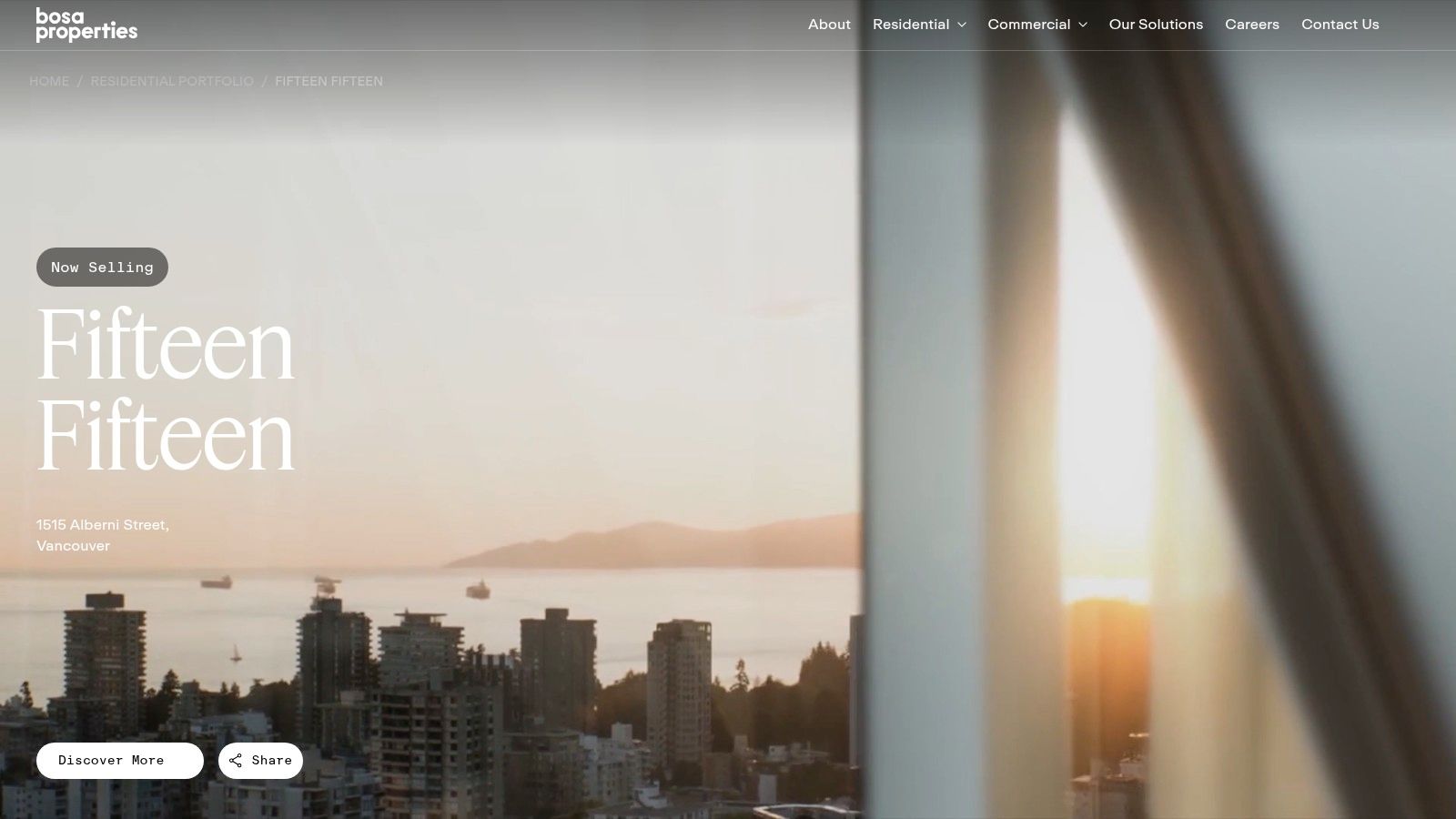
Fifteen Fifteen is Bosa doing what Bosa does best, placing a recognizable tower in a prestige corridor and backing it with a developer name buyers already trust. The architecture is the hook, but the value for a working advisor is the MLS visibility as construction nears completion, because that gives you actual pricing and inventory comparisons instead of a gallery-only pitch. I use Bosa's Fifteen Fifteen page with active resale listings when I'm checking whether a buyer is paying the right premium or reaching for a tier that does not fit.
If you want a cleaner wider view of how this building compares to other launches, browse by building before you commit.
This is a building for a buyer who wants a statement home and accepts that statement homes narrow the buyer pool. The Coal Harbour and West End edge works for executives, downsizers with cash, and clients who want a luxury asset with a reputable sponsor behind it. I would not steer a buyer here if they need flexibility, value density, or easy rental math.
Buyer lens on this tower
The limited townhomes and one- to three-bedroom range make the product more versatile than some ultra-tall towers, but the positioning is still firmly premium. That means the right buyer is someone who values provenance, reputation, and view orientation more than raw efficiency. If you compare this against a West Side mid-rise, you are not comparing finishes alone, you are comparing status, carrying costs, and the size of the eventual exit audience.
The downside is simple. Ultra-luxury inventory is always a thinner market. Buy here because you intend to own it, not because you expect every polished new tower to appeal to everyone.
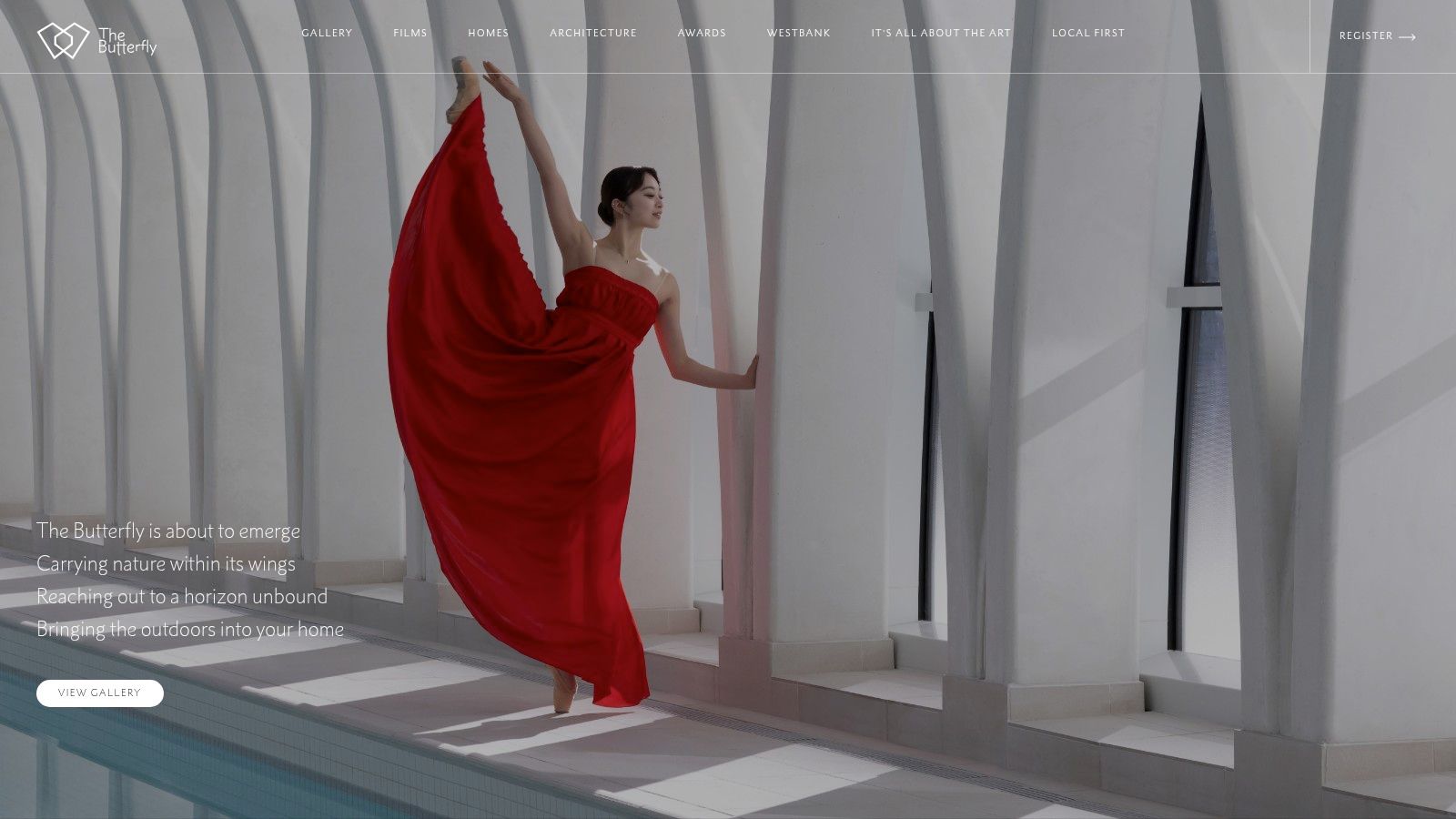
Westbank's Butterfly is a very different conversation from the West End Butterfly profile above, because this one is about design ambition and delivery timing. The project is nearly complete, which matters more than most buyers admit. Near-completion reduces the risk you take on in a long presale, especially if you're trying to line up financing, occupancy, and a move without living through years of construction uncertainty.
I like this one for owner-occupiers who want something distinctive and who don't need a massive amenity machine to justify the purchase. The tower form and interior design language are the selling points, and they'll appeal to buyers who care about architectural identity. If you're an investor, you have to be stricter, because boutique design-forward product can be harder to resell if the buyer pool is narrow.
Where it fits, and where it doesn't
A buyer who wants certainty should look closely here because the project is at the point where the big unknowns are mostly behind it. A buyer who wants customization should move on, because the final phase leaves less room to tweak. That's the trade-off, less delay, less flexibility.
CURV is the project I flag when a buyer tells me they care about future-facing building performance and can live with a long timeline. The marketing positions it as a flagship tower with a Passive House design focus and a completion target later in the decade, which means this is not a quick move-in decision. It's a patience test, and that alone will filter out a lot of casual buyers.
I'd send it to someone who wants a downtown asset with a strong sustainability story and who's comfortable buying on vision rather than immediate utility. The presentation gallery at 510 Burrard tells you exactly how the sales process is being handled, which is important because gallery-driven purchases demand sharper document review than resale transactions. If you're comparing it to a near-complete project, don't pretend the timing risk is the same, it isn't.
The higher-floor Horizon Collection is the obvious prestige play, but that also means you're shopping in the segment where pricing expectations are already high. That works for a buyer who wants landmark status and long-view desirability. It does not work for someone who needs a practical handoff or wants to minimize carrying risk before occupancy.
I'd describe CURV as a conviction buy. You either believe the sustainability story and the tower's future status, or you pass and look for a building with better timing. There isn't much middle ground here, and that's exactly why some buyers will love it.

Ortus is the straightest answer on this list for a buyer who wants a new West Side condo without waiting for years. It's a move-in-ready project in Marpole, which means the key selling point isn't speculation or long-dated promise, it's occupancy. That's why I like pairing it with active MLS listings, because you can see pricing behavior, compare actual suites, and decide whether the product is worth it without relying on a glossy launch narrative.
The SkyHaven rooftop amenity is a useful differentiator, but I'd treat it as a bonus rather than the main reason to buy. The value is the practicality of a 1- to 3-bedroom mix in a location that works for people heading to YVR, Richmond, or across the West Side. I'd recommend it to a first-time buyer, a downsizer, or someone who needs to move now and doesn't want the risk of a long presale.
The price band is broader than downtown luxury towers, which is exactly why this building can make sense for more people. It isn't trying to be iconic, and that's fine. It's trying to be useful, livable, and current, and that's often where real buying decisions get made.
The drawback is also clear, smaller-scale projects don't come with the same retail gravity or cultural energy you'll find in a master plan or central tower. If your ideal home needs buzz at the doorstep, this won't satisfy you. If you want a clean, contemporary West Side condo you can occupy soon, it's hard to ignore.
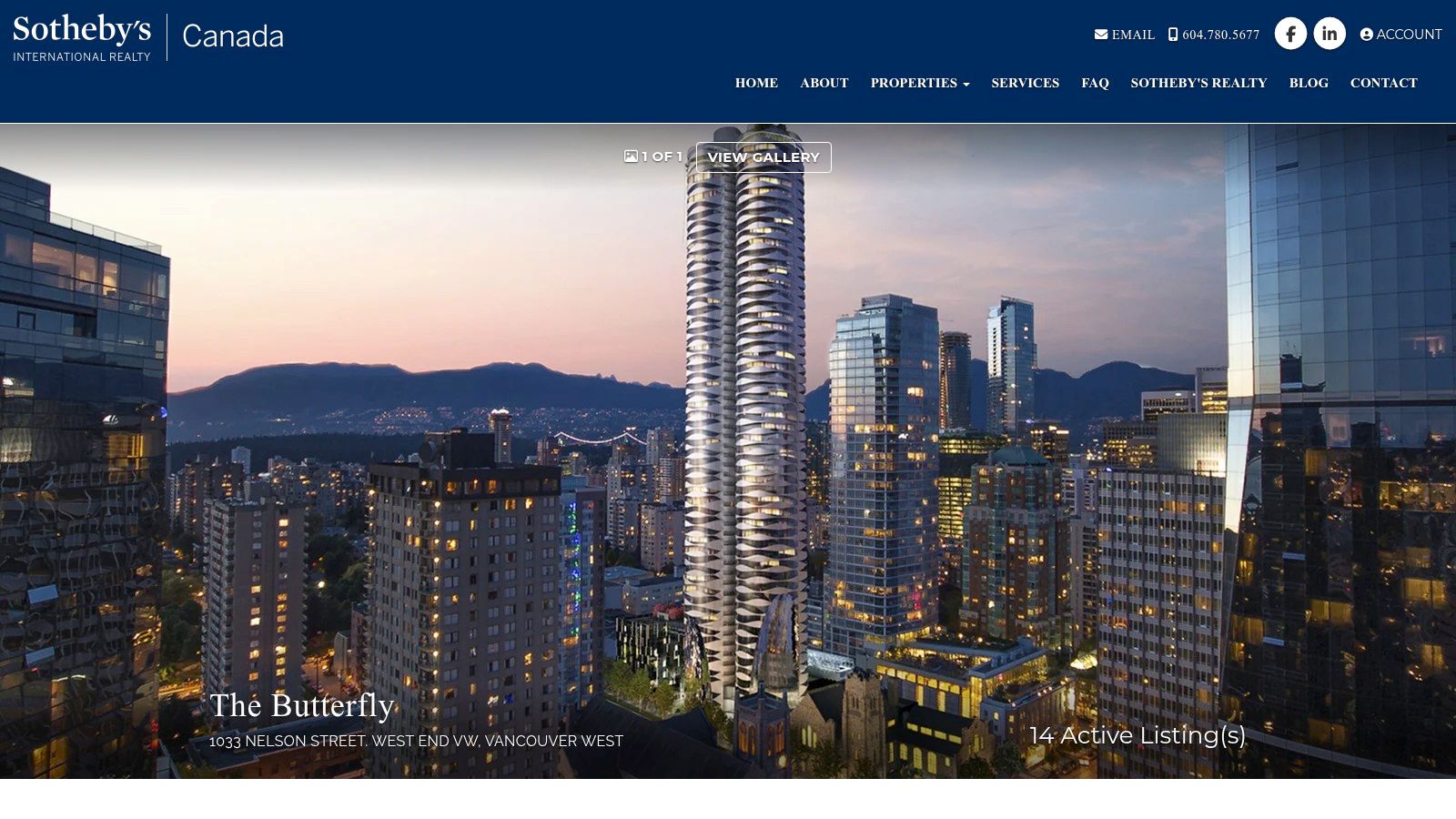
The Butterfly, 1033 Nelson St, West End (Jacky Levi / Sotheby's)
Oakridge Park Residences (Westbank x QuadReal)
Fifteen Fifteen (1515 Alberni), Bosa Properties
The Butterfly (Westbank), downtown signature tower
CURV (Brivia Group)
Cambie Gardens (Onni Group)
Ortus (Icona / AB Wall)
The fastest way to sort new condominiums Vancouver options is to compare the projects on the same four points: occupancy date, deposit schedule, assignment policy, and MLS visibility. A presale can look attractive until you see how long the money stays tied up. A near-complete tower can look expensive until you compare it against the cost of waiting, financing, and uncertainty. I'd rather help a client choose the right two or three buildings than waste time touring ten that don't fit the same exit strategy.
The documents matter just as much as the brochure. Ask for the disclosure statement, the fining schedule, the Form B, and the parking and storage matrix before you lean in. If a sales team won't give you a clean answer on those pieces, that tells you more than the renderings ever will. For resale-available projects, I also want the actual strata package and any maintenance history I can get my hands on.
Here's how I'd frame a real decision. Oakridge Park makes sense if the buyer wants a long timeline, a destination address, and master-planned amenity depth. Ortus makes sense if the buyer wants a West Side home now, values clarity, and doesn't want to wait through a drawn-out build-out. Same city, very different risk profile. One rewards patience, the other rewards decisiveness.
That's why I use a working shortlist, not a wish list. If you want to buy or sell into this market with less noise and better timing, book a 20-minute consult with Jacky Levi via jackylevi.com. I'll help you narrow the field to two or three projects, pull comparable sales for the building that matters, and structure an offer or pre-sale assignment strategy that fits your timeline, tax position, and whether the unit is for you to live in or to hold as an investment.
The market backdrop matters. Metro Vancouver completed 30,855 homes in 2025, the highest level since 1990, even as housing starts slipped to 27,185 after 28,112 in 2024 and 33,244 in 2023 (VanPlex's CMHC-linked housing supply report). That mismatch explains why completed inventory can stay heavy while new launches feel scarce, and why a buyer needs to separate glossy marketing from real absorption risk. I'd rather help a client shortlist a building with real resale depth and honest disclosure than chase renderings that look great but don't clear the market.
1. The Butterfly, 1033 Nelson Street, West End, Vancouver
The Butterfly at 1033 Nelson Street is the kind of West End tower you show to a buyer who wants location to do most of the work. It sits in a neighbourhood where daily life is built around English Bay, Stanley Park, and the Robson/Denman corridor, and that is still the strongest argument for paying up. The building profile on Jacky Levi's West End page is useful because it puts the neighbourhood, the tower, and active opportunities in one place instead of forcing a buyer to piece together the story from scattered listings.
For an owner-occupier, this is a lifestyle play first. You buy it if you value walkability, water access, and a polished urban address more than extra square footage or suburban convenience. For an investor, the case is narrower, because premium towers carry premium carrying costs, and that means your entry price has to be justified by long-term tenant demand or a resale story that's strong enough to offset the friction.
What I'd check before I recommend it
The main drawback is simple: high-end West End product rarely comes cheap, and limited inventory means patience matters. That's fine for a buyer who wants permanence and presence. It's not the place I send someone looking for a bargain or a low-friction rental hold.
For an owner-occupier, this is a lifestyle play first. You buy it if you value walkability, water access, and a polished urban address more than extra square footage or suburban convenience. For an investor, the case is narrower, because premium towers carry premium carrying costs, and that means your entry price has to be justified by long-term tenant demand or a resale story that's strong enough to offset the friction.
What I'd check before I recommend it
- Project positioning: The building is framed as a luxury tower, so I'd expect buyers to pay for finishes, amenity quality, and address prestige.
- Listing transparency: The page aggregates current condo inventory, which helps me benchmark asking prices and compare layouts without guessing.
- Representation quality: A Sotheby's-style presentation with photography, video, and 3D tours is a real advantage when I'm comparing similar units.
- Trade-off: If the strata package and monthly costs are heavy, the lifestyle has to justify every dollar.
"Practical rule: If you're buying here, you need to love the West End as much as the suite itself. In this building, location is the product."
The main drawback is simple: high-end West End product rarely comes cheap, and limited inventory means patience matters. That's fine for a buyer who wants permanence and presence. It's not the place I send someone looking for a bargain or a low-friction rental hold.
2. Oakridge Park Residences, Westbank x QuadReal
Oakridge Park is the launch I put in front of buyers who want a master plan, not just a tower. Westbank and QuadReal have wrapped the Oakridge-41st Avenue Canada Line station into a larger rebuild with residential towers, retail, dining, cultural programming, and public park space. That changes the buying decision. You are not only choosing a suite, you are choosing into a district that is being built out in stages.
That matters because the right buyer here is specific. Owner-occupiers who want a long-term West Side address can make a strong case for it, especially if they value transit and a higher-design environment over immediate convenience. Investors need to be more selective. Phased launch timing can create entry opportunities, but the carrying costs on a premium West Side project are still premium, and the resale story has to justify that. For more details see Jacky Levi's Oakridge listing reference, then compare the release you are being shown against the actual inventory and occupancy timing before you commit.
Why the project stands out for the right buyer
That matters because the right buyer here is specific. Owner-occupiers who want a long-term West Side address can make a strong case for it, especially if they value transit and a higher-design environment over immediate convenience. Investors need to be more selective. Phased launch timing can create entry opportunities, but the carrying costs on a premium West Side project are still premium, and the resale story has to justify that. For more details see Jacky Levi's Oakridge listing reference, then compare the release you are being shown against the actual inventory and occupancy timing before you commit.
Why the project stands out for the right buyer
- Transit integration: The Canada Line connection gives this location daily utility, not just a marketing line.
- Product mix: The range of home sizes gives buyers options, from compact city homes to larger family-oriented layouts.
- Amenity depth: The green space and cultural programming are part of the value, so the amenity package has to be judged as part of the price.
- Timeline flexibility: Phased releases give buyers choice, but they also require patience and a willingness to buy before the full district is finished.
3. Fifteen Fifteen, 1515 Alberni, by Bosa Properties
If you want a cleaner wider view of how this building compares to other launches, browse by building before you commit.
This is a building for a buyer who wants a statement home and accepts that statement homes narrow the buyer pool. The Coal Harbour and West End edge works for executives, downsizers with cash, and clients who want a luxury asset with a reputable sponsor behind it. I would not steer a buyer here if they need flexibility, value density, or easy rental math.
Buyer lens on this tower
"My read: If the listing sheet does not make sense in this building, the problem is usually the buyer who entered a luxury market without a luxury budget."
The limited townhomes and one- to three-bedroom range make the product more versatile than some ultra-tall towers, but the positioning is still firmly premium. That means the right buyer is someone who values provenance, reputation, and view orientation more than raw efficiency. If you compare this against a West Side mid-rise, you are not comparing finishes alone, you are comparing status, carrying costs, and the size of the eventual exit audience.
The downside is simple. Ultra-luxury inventory is always a thinner market. Buy here because you intend to own it, not because you expect every polished new tower to appeal to everyone.
4. The Butterfly, Westbank
I like this one for owner-occupiers who want something distinctive and who don't need a massive amenity machine to justify the purchase. The tower form and interior design language are the selling points, and they'll appeal to buyers who care about architectural identity. If you're an investor, you have to be stricter, because boutique design-forward product can be harder to resell if the buyer pool is narrow.
Where it fits, and where it doesn't
A buyer who wants certainty should look closely here because the project is at the point where the big unknowns are mostly behind it. A buyer who wants customization should move on, because the final phase leaves less room to tweak. That's the trade-off, less delay, less flexibility.
- Good fit: End users who want a finished downtown home with a design-forward profile.
- Good fit: Buyers who dislike presale risk and want a clearer handoff.
- Poor fit: Speculators who need deep liquidity.
- Poor fit: Buyers who want more than a boutique footprint can offer.
5. CURV, Brivia Group
CURV is the project I flag when a buyer tells me they care about future-facing building performance and can live with a long timeline. The marketing positions it as a flagship tower with a Passive House design focus and a completion target later in the decade, which means this is not a quick move-in decision. It's a patience test, and that alone will filter out a lot of casual buyers.
I'd send it to someone who wants a downtown asset with a strong sustainability story and who's comfortable buying on vision rather than immediate utility. The presentation gallery at 510 Burrard tells you exactly how the sales process is being handled, which is important because gallery-driven purchases demand sharper document review than resale transactions. If you're comparing it to a near-complete project, don't pretend the timing risk is the same, it isn't.
Who should take this seriously
"Real talk: If your move date matters more than your skyline view, stop here and buy something closer to completion."
The higher-floor Horizon Collection is the obvious prestige play, but that also means you're shopping in the segment where pricing expectations are already high. That works for a buyer who wants landmark status and long-view desirability. It does not work for someone who needs a practical handoff or wants to minimize carrying risk before occupancy.
I'd describe CURV as a conviction buy. You either believe the sustainability story and the tower's future status, or you pass and look for a building with better timing. There isn't much middle ground here, and that's exactly why some buyers will love it.
6. Cambie Gardens, Onni Group
Cambie Gardens is the project I point to for a buyer who wants West Side scale without downtown pressure. Onni has assembled a multi-phase community near Cambie and 57th, and the mix of retail, open space, amenity programming, and different home sizes makes it more flexible than a single-tower launch. That flexibility matters because it gives you options at the buying stage, whether you are looking at earlier releases or a unit closer to completion. Details are available at 302-930 W 16th Avenue, which is the kind of listing that helps you compare this area against the rest of the West Side in a practical way.
Onni's scale is part of the appeal, and part of the trade-off. A developer with real operating depth usually brings a steadier sales process, cleaner handoff, and less chaos at strata start-up than a one-off boutique project. For an owner-occupier, that is the point, you want the building to function well from day one. For an investor, the question is whether the phased build-out and surrounding construction fit the hold period and the rental story.
The version of buyer who fits here
Onni's scale is part of the appeal, and part of the trade-off. A developer with real operating depth usually brings a steadier sales process, cleaner handoff, and less chaos at strata start-up than a one-off boutique project. For an owner-occupier, that is the point, you want the building to function well from day one. For an investor, the question is whether the phased build-out and surrounding construction fit the hold period and the rental story.
The version of buyer who fits here
- The timing-sensitive buyer: Someone who wants a choice between near-term occupancy and a later release.
- The practical family buyer: Someone who values transit, parks, and full-community living over downtown cachet.
- The investor with patience: Someone who understands that scale and liquidity matter more than a flashy brochure.
7. Ortus, Icona / AB Wall Properties
The SkyHaven rooftop amenity is a useful differentiator, but I'd treat it as a bonus rather than the main reason to buy. The value is the practicality of a 1- to 3-bedroom mix in a location that works for people heading to YVR, Richmond, or across the West Side. I'd recommend it to a first-time buyer, a downsizer, or someone who needs to move now and doesn't want the risk of a long presale.
Why this is the clearest value proposition
- Best use case: If your calendar is tighter than your patience, Ortus deserves a serious look before you chase a more glamorous address.
The price band is broader than downtown luxury towers, which is exactly why this building can make sense for more people. It isn't trying to be iconic, and that's fine. It's trying to be useful, livable, and current, and that's often where real buying decisions get made.
The drawback is also clear, smaller-scale projects don't come with the same retail gravity or cultural energy you'll find in a master plan or central tower. If your ideal home needs buzz at the doorstep, this won't satisfy you. If you want a clean, contemporary West Side condo you can occupy soon, it's hard to ignore.
7 New Vancouver Condominiums Comparison
The Butterfly, 1033 Nelson St, West End (Jacky Levi / Sotheby's)
- Complexity: Moderate, curated building profile plus marketplace aggregation
- Resources and timing: Medium, active resale inventory and immediate market engagement
- Expected outcomes: High, strong lifestyle appeal, premium pricing, and resale liquidity
- Ideal use cases: Lifestyle buyers and local or remote investors seeking consolidated listings
- Key advantages: Prime West End location, consolidated listings, Sotheby's marketing and representation
Oakridge Park Residences (Westbank x QuadReal)
- Complexity: High, large master-planned community with phased infrastructure and placemaking
- Resources and timing: High, multi-phase construction, staggered releases, and a long timeline
- Expected outcomes: Long-term growth, with destination amenities that may support appreciation
- Ideal use cases: Buyers planning long-term ownership, families, and phased-entry investors
- Key advantages: Transit integration, large park space, diverse product mix, and destination placemaking
Fifteen Fifteen (1515 Alberni), Bosa Properties
- Complexity: Moderate, sculptural architecture with luxury fit-out
- Resources and timing: Medium, nearing completion with MLS resales that provide pricing clarity
- Expected outcomes: High, ultra-luxury product with strong view and quality appeal
- Ideal use cases: Luxury buyers and investors using MLS comparables
- Key advantages: Iconic architecture, reputable developer, and view-oriented luxury finishes
The Butterfly (Westbank), downtown signature tower
- Complexity: Moderate, design-forward build with gallery and by-appointment sales
- Resources and timing: Medium-Low, near completion with limited customization
- Expected outcomes: High, architecturally distinctive with reduced construction risk
- Ideal use cases: Design-focused buyers and investors seeking near-term delivery
- Key advantages: Expressive curvilinear design, near-complete status, and boutique appeal
CURV (Brivia Group)
- Complexity: High, Passive House engineering at landmark scale
- Resources and timing: Low, long delivery timeline with target completion around 2029 and ongoing registrations
- Expected outcomes: High, sustainability leadership and landmark views may drive demand
- Ideal use cases: Sustainability-focused buyers and long-horizon investors
- Key advantages: Passive House at scale, potential tallest residential tower, and a strong sustainability case
- Complexity: High, multi-phase master plan with LEED components
- Resources and timing: Medium, mix of move-in-ready and presale releases with developer support
- Expected outcomes: Stable, community value, timing flexibility, and West Side premiums
- Ideal use cases: Buyers needing timing flexibility, families seeking amenities and transit
- Key advantages: LEED Gold elements, established developer, and a mix of inventory and services
Ortus (Icona / AB Wall)
- Complexity: Low to Moderate, boutique and move-in-ready project
- Resources and timing: High, immediate occupancy, MLS transparency, and limited phasing
- Expected outcomes: Predictable, with quick possession and clear pricing, but smaller placemaking impact
- Ideal use cases: Near-term movers and value-sensitive West Side buyers
- Key advantages: Move-in-ready units, SkyHaven rooftop amenity, and a wider price band
From Shortlist to Suite, Your Next Move
The fastest way to sort new condominiums Vancouver options is to compare the projects on the same four points: occupancy date, deposit schedule, assignment policy, and MLS visibility. A presale can look attractive until you see how long the money stays tied up. A near-complete tower can look expensive until you compare it against the cost of waiting, financing, and uncertainty. I'd rather help a client choose the right two or three buildings than waste time touring ten that don't fit the same exit strategy.
The documents matter just as much as the brochure. Ask for the disclosure statement, the fining schedule, the Form B, and the parking and storage matrix before you lean in. If a sales team won't give you a clean answer on those pieces, that tells you more than the renderings ever will. For resale-available projects, I also want the actual strata package and any maintenance history I can get my hands on.
Here's how I'd frame a real decision. Oakridge Park makes sense if the buyer wants a long timeline, a destination address, and master-planned amenity depth. Ortus makes sense if the buyer wants a West Side home now, values clarity, and doesn't want to wait through a drawn-out build-out. Same city, very different risk profile. One rewards patience, the other rewards decisiveness.
That's why I use a working shortlist, not a wish list. If you want to buy or sell into this market with less noise and better timing, book a 20-minute consult with Jacky Levi via jackylevi.com. I'll help you narrow the field to two or three projects, pull comparable sales for the building that matters, and structure an offer or pre-sale assignment strategy that fits your timeline, tax position, and whether the unit is for you to live in or to hold as an investment.
Jacky Levi helps buyers, sellers, and investors with Vancouver condo decisions using MLS-based pricing, building-level comparison, and transaction support from first showing to closing. If you're sorting through new condominiums Vancouver options and want straight advice on which projects fit your goals, visit Jacky Levi - Sotheby's Realty Advisor & Realtor and start with a focused shortlist.dwcvw